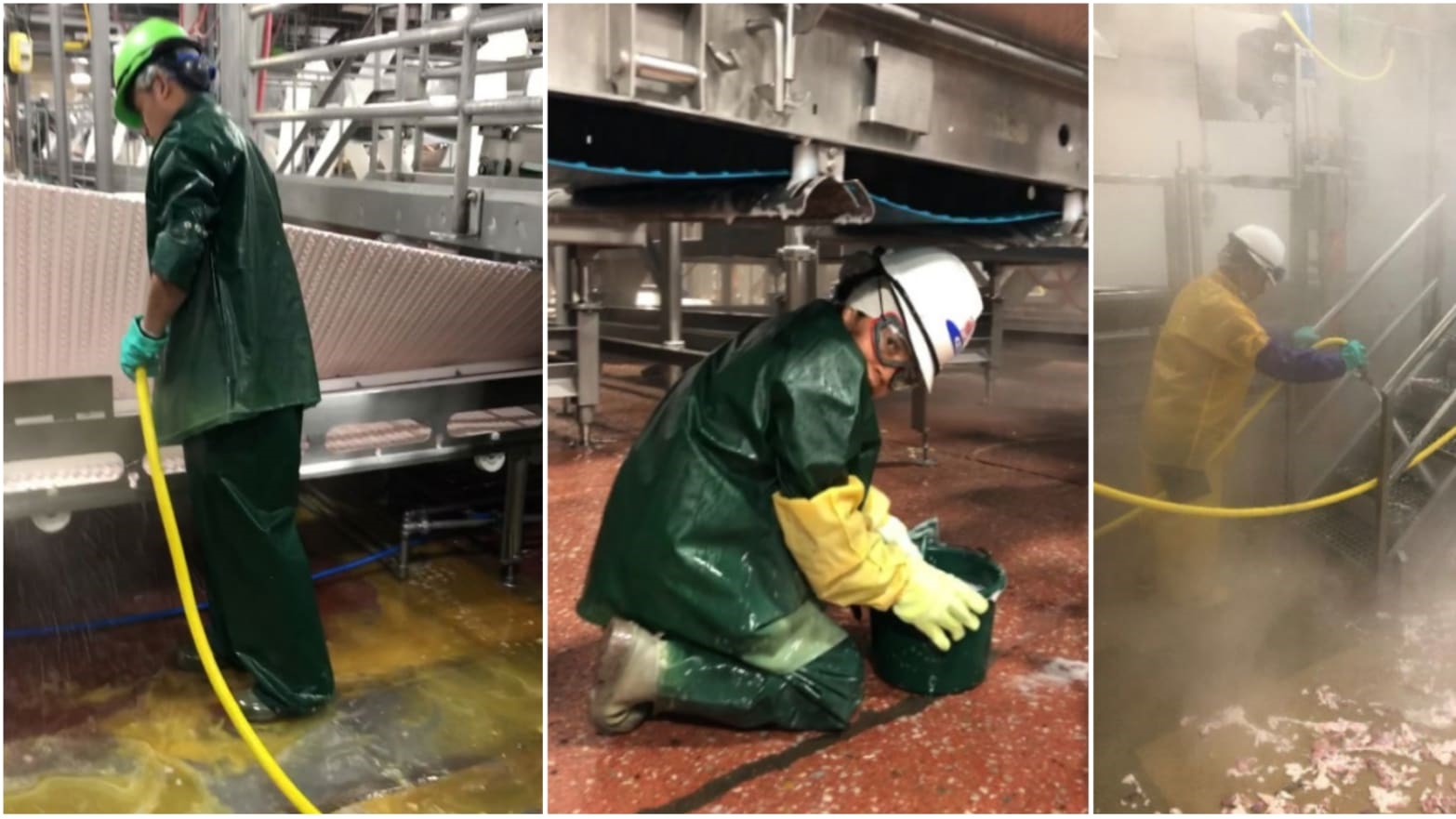



As business leaders, one of our most significant responsibilities is to cultivate a healthy, productive, and supportive work environment. Substance abuse, unfortunately, can undermine these efforts, leading to decreased productivity, impaired performance, and potential safety risks. Traditional methods of addressing this issue, while useful, are not always sufficient. Therefore, it’s time to explore new and innovative strategies for dealing with substance abuse in the workplace:
- Promote Open Dialogue: The stigma around substance abuse often prevents individuals from seeking help. Promote an open dialogue about addiction as a health issue, not a moral failing. This initiative could include educational sessions, inviting speakers with lived experiences, or creating safe spaces for employees to share their struggles without judgment.
- Employ Teletherapy Services: Remote counseling or therapy services allow individuals battling substance abuse to access professional help anytime and anywhere. By contracting with teletherapy service providers, companies can provide this important resource as part of their health benefits package.
- Utilize AI-Assisted Services Like ChatPET: With cutting-edge technology, it’s now possible to provide consistent and meaningful support without bearing the cost of a full teletherapy contract. An excellent resource to consider is ChatPET, a Professional Employment Trainer powered by GPT-4. ChatPET is capable of offering structured employment advice and coaching, making it an affordable and readily accessible tool. While it should not replace professional therapy services, it can serve as a first point of contact for those seeking help or guidance, thus creating an additional layer of support within your team.
- Incorporate Mindfulness Practices: Mindfulness and meditation have been proven to reduce stress and anxiety, both of which can contribute to substance abuse. Regularly scheduled mindfulness sessions, whether in person or through an app, can provide employees with a valuable tool in their recovery arsenal.
- Invest in Training Programs: Train managers and supervisors to recognize signs of substance abuse and equip them with the skills to approach and refer employees to the help they may need. This training should emphasize empathy and understanding, reinforcing the company’s stance on supporting its employees.
- Implement ‘Recovery-Friendly’ Workplaces: A recovery-friendly workplace actively supports employees in their recovery journey. This approach may include flexible work hours for attending therapy or support groups, a policy of non-punishment for those seeking help, and fostering an overall culture of understanding and acceptance.
Substance abuse is a complex issue that requires a nuanced approach. By implementing these innovative strategies, workplaces can become key players in the fight against addiction, supporting their employees’ wellbeing while fostering a healthier, more productive work environment.